

By Loyal Lab Electric & Generators. Serving Somersworth, NH and Surrounding Communities
It’s February in New Hampshire, the wind is howling outside, and over the wind gusts you hear blip.
Crap.
There goes the power, and you’re left wondering if the pipes will freeze or your food will go bad in the freezer before Eversource gets to you. Sound familiar? If you’ve lived in the Granite State for any length of time, you know exactly what I’m talking about.
This situation is exactly why more New Hampshire homeowners are installing standby generators. But before you just jump right into generator installation, there’s a lot more to consider than just picking the first unit you can find. Trust us, we’ve seen homeowners make some costly mistakes over the years, and our goal is to help you avoid them.
Whether you’re living in a rural area where it takes hours, if not days, for the power to come back on, or you simply want peace of mind during our notorious Nor’easters, this guide will walk you through everything you need to know to understand your options. From standby generator requirements to proper whole-house generator sizing, we’ll cover it all so you can make the smartest decision for your family and your budget.
Understanding Your Power Needs: The Foundation of Smart Generator Installation
Something most homeowners unfortunately don’t realize until it’s too late: not all generators are created equal, and the right size for your neighbor’s house is not automatically the right size for yours.
This is why the first step in any solid home generator installation is performing what is called an electrical load calculation. Performing one of these is the difference between a generator that fits your home and one that leaves you short when you need it most.
What is Calculated During a Test?
Great question. We focus on your essential circuits. These typically include:
- Heating and cooling systems (the big power hogs)
- Refrigeration and freezers (after making sure you don’t freeze, food comes next)
- Well pumps (especially for rural NH homes)
- Medical equipment (absolutely non-negotiable)
- Basic lighting and outlets
- Garage doors (you’d be surprised how often people forget this one)
- EV chargers (if that is your only vehicle, you need to have a way to charge during an outage)
When we performed a load calculation for a client in Dover last fall, they initially wanted a 20kW generator because their neighbor had one. We get keeping up with the Joneses, but for a generator, you need the one that fits your home, not your neighbor’s. After we ran the numbers, his actual needs told a different story than the size he walked in asking for.
Here’s the thing though: the load calculation sets your floor, not your ceiling. When the numbers put a home between two sizes, we usually recommend the larger unit. The price difference between adjacent sizes is smaller than most people expect, and the extra headroom covers the loads you add later, like an EV charger or a heat pump conversion. The lesson from that Dover job wasn’t about buying smaller. It was about buying from data instead of buying based on someone else’s house.
The math isn’t complicated, but it requires understanding both your home’s electrical system and your family’s actual needs during an outage. At Loyal Lab Electric & Generators, we use specialized equipment to measure your current electrical usage, and we always factor in New Hampshire’s insane winters.
This is especially important if you’re considering or need other electrical upgrades, like a service panel upgrade, which might affect your power needs. A sizing mistake for a whole-house generator can be expensive to fix later, so trust the pros to get it right the first time.
For most New Hampshire homes, standby generators range from 10kW to 24kW, but I’ve seen efficient 2,000 square foot homes run comfortably on 12kW systems while some bigger properties with electric heat need 30kW or more. The key is matching the system to your home and where it’s headed, not to your neighbor’s.
Navigating New Hampshire’s Generator Installation Requirements
Now, let’s address something that trips up a lot of DIY-minded homeowners: New Hampshire has specific requirements for generator installations, and ignoring them can cost you, big time. Although rare, I have seen projects shut down by code enforcement, insurance claims denied, and even electrical hazards created by improper and DIY installations.
First up: permits. Yes, you need them. And yes, we get that they are a pain.
Installing a generator falls under electrical work in New Hampshire, which means you need an electrical permit, a gas permit, and often a building permit. The process varies by town (Dover will have different requirements than Rochester or Durham), but the state electrical code applies everywhere.
Some Key Standby Generator Requirements Include:
- Proper setback distances: Your generator must be AT LEAST 5 feet from any window, door, or air intake. We’ve had to relocate generators because homeowners didn’t account for their neighbor’s property lines too.
- Concrete pad specifications: The pad must be level, properly sized, and able to handle the weight and vibration. A shifting generator is a dangerous generator.
- Gas line requirements: If you’re going with natural gas (which I often recommend), the line must be properly sized and pressure-tested. Propane installations have their own set of rules.
- Transfer switch installation: This is the brain of your system and must be installed by a licensed electrician. No exceptions. These can be installed either inside or outside, depending on the system’s design.
Unfortunately, one of our Rochester generator clients had to learn this lesson the hard way. They had a handyman friend install their generator to save money, only to discover their homeowner’s insurance wouldn’t cover storm damage because the installation wasn’t up to code. We ended up having to completely redo the installation, and it cost them close to double what they would have paid originally.
The inspection process after everything gets installed is also critical. Most parts of New Hampshire (including Somersworth, Strafford, and Dover) require permits for a generator installation, which means they also require an inspection. And trust me, these inspectors know what to look for. We follow all codes and regulations meticulously, but I’ve seen my fair share of DIY jobs that had to be completely redone.
Pro tip: Always verify your electrician is licensed and insured in New Hampshire. Check with your local building department before starting any work, and make sure all permits are pulled before the first shovel hits the ground. If you’re planning other electrical work alongside your generator installation, consider bundling services like lighting upgrades or repairs to maximize efficiency and potentially save on costs.
Choosing the Right Generator Type for New Hampshire Homes
When it comes to backup generator options, NH homeowners really have three main categories to consider, and each has its place depending on your specific situation and budget.
Portable generators are the most affordable option. But here’s the reality: in New Hampshire’s harsh winters, running extension cords through snow and ice while setting up a portable generator during a power outage can be majorly inconvenient or even dangerous. Plus, you’re limited to powering just a few essential items.
Standby generators for essential circuits are where most of our clients end up, and for good reason. These permanent installations automatically kick in when the power goes out, whether you’re home or away. For New Hampshire homeowners, this automatic operation is crucial, especially if you travel or work long hours.
We had a client in Dover who was initially hesitant about the cost of a standby system. Then we had that ice storm two winters ago that knocked out power for five days. While his neighbors were dealing with frozen pipes and spoiled food, his generator automatically started up, and his family barely noticed the outage. He called me the next week to thank me and said it was one of the best investments he’d ever made.
Whole-house generators represent the premium option, typically 18kW and above. These units can power virtually everything in your home simultaneously. They’re perfect for larger homes or families with extensive electrical needs.
Wondering what all of this actually costs? Rather than throw ranges at you that go stale, we wrote a full breakdown of what drives generator pricing, including a real quote we walked a customer through line by line. Read our post on why generator installation costs what it does.
One of the most influential factors in people’s decisions is fuel. Believe it or not, this matters more in New Hampshire than many other places. Natural gas is often the most convenient option if it’s available in your area, but many rural properties rely on propane. Diesel generators are extremely reliable but require more maintenance. I generally steer clients away from gasoline-powered standby units because gasoline degrades and picks up moisture as it sits, especially in our climate.
The reality is, most New Hampshire families find that a properly sized natural gas or propane standby generator gives them the best balance of reliability, convenience, and cost. But every situation is different, which is why we always start with that load calculation I mentioned earlier.
For homeowners in areas served by our team, we provide comprehensive generator services throughout Dover, Rochester, and surrounding New Hampshire communities. Our local expertise means we understand the specific challenges of New Hampshire’s climate and electrical infrastructure.
The Installation Process: What to Expect from Start to Finish
Let me walk you through what a professional generator installation actually looks like, because understanding the process helps you spot potential problems before they become expensive mistakes.
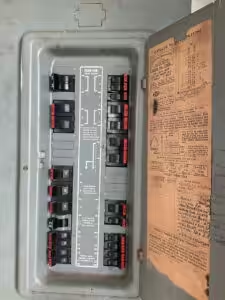
Planning and permits. We start with a site visit to assess your property and electrical system. This isn’t a quick look-around. We’re examining your electrical panel, gas lines, and potential installation sites. We’ll also handle all the permit applications, because honestly, dealing with town offices is part of what you’re paying for.
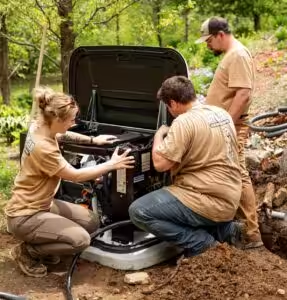
Site preparation. Once permits are approved, we prepare the installation site. This includes setting the concrete pad (we usually use a precast pad that needs proper site prep), running electrical conduit, and coordinating gas line work if needed. Weather can add flexibility needs in New Hampshire, so we plan for it.
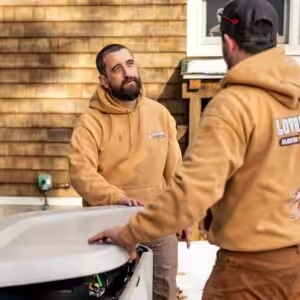
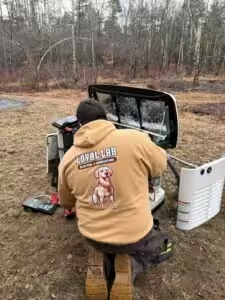
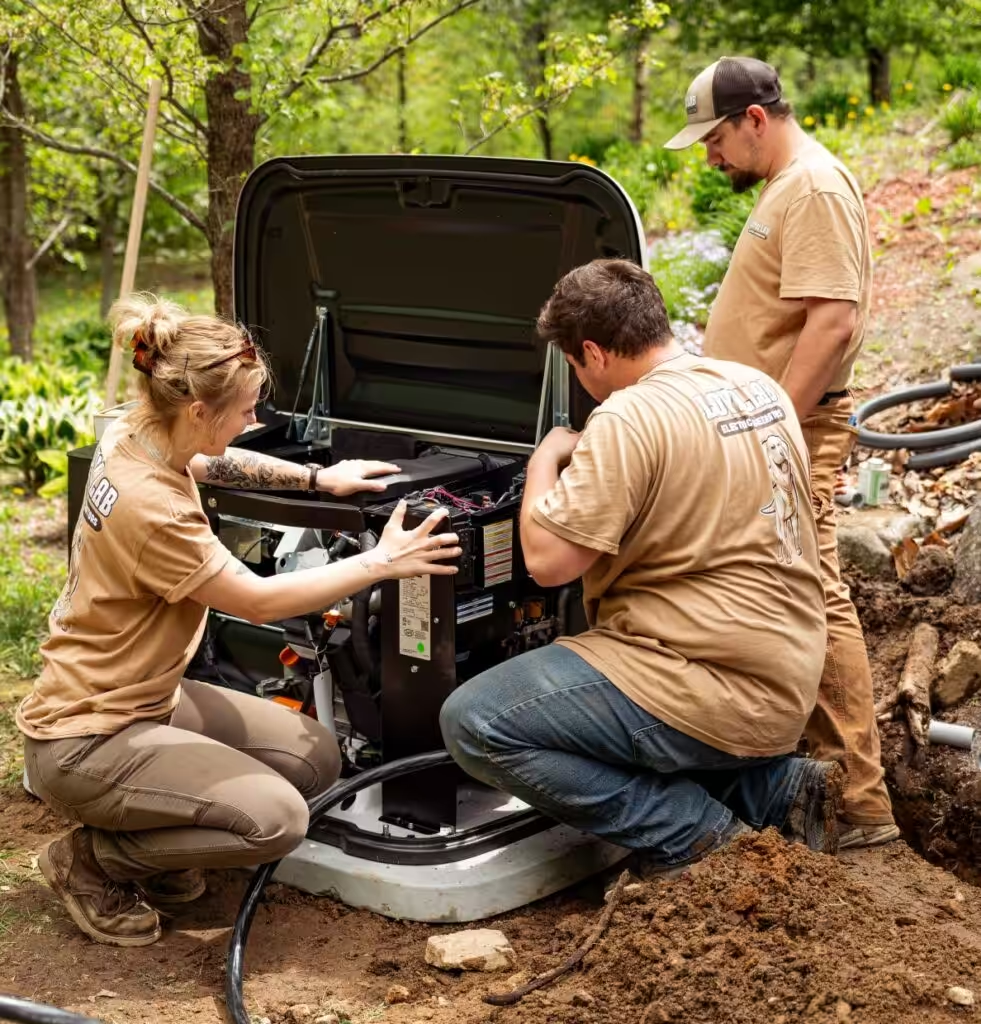
Installation. The physical installation typically takes one to two days with our crew. We set the generator, install the transfer switch, run all electrical connections, connect gas lines, and perform comprehensive testing. Every connection is double-checked, and we test the system multiple times before we consider the job complete.
Timeline reality check. From contract to a running generator, plan on about a week once permits, utility and gas coordination, and inspection are factored in. Equipment availability is the variable that can stretch that, especially at the height of storm season, which is one more reason not to wait until the first Nor’easter is in the forecast.
After installation, we provide detailed documentation for your records and insurance company, plus we’re always available for questions or concerns. You can read more about our commitment to quality in our customer reviews, where clients share their experiences with our generator installations. A generator installation is a significant investment, and we treat it that way.
What Makes Our Process Different?
We don’t just drop off equipment and hope for the best. Every single person involved in a generator installation from Loyal Lab Electric & Generators is a licensed electrician (unlike some companies who undercut pricing by using unlicensed laborers).
Our process also includes comprehensive training on how to operate and maintain your system. We walk you through the control panel, explain the automatic exercise cycles, and make sure you’re completely comfortable with your new generator. If you want to know what those exercise cycles are actually protecting you from, we wrote a whole readiness guide on the five reasons generators fail to start when the storm hits.
Even after the generator is installed, we still aren’t done. We provide ongoing support, which means annual maintenance and warranty repairs in the rare event they occur. We strongly believe we are one of the best generator installers in NH, and we stand by our lifetime craftsmanship guarantee.
Ready to Never Worry About Power Outages Again?
Here’s the bottom line: New Hampshire’s unpredictable weather and aging electrical grid make home generators more of a necessity than a luxury. Whether you choose a standby unit for essential circuits or a whole-house generator for complete peace of mind, the key is working with professionals who understand both the technical requirements and the unique challenges of our New Hampshire climate.
Don’t wait for winter to be in full swing before you make this decision. Generator installations get scheduled well in advance during peak seasons, and you don’t want to be calling after everyone else has already thought of it.
Ready to get started?
Contact Loyal Lab Electric & Generators today or call us at 603-605-1912 for a free consultation and load assessment. We’ll walk you through all your options, provide upfront pricing, and help you choose the right backup generator solution for your home and budget.
After over 15 years in the electrical trade and countless generator installations across the Seacoast, we’ve learned that the best generator is the one that fits your specific needs. Let us help you find yours.
Frequently Asked Questions
How long does a typical generator installation take in New Hampshire?
The physical installation takes one to two days. From contract to a running generator, plan on about a week once permit approvals, utility and gas coordination, and inspection are factored in. Equipment availability during peak season is the main thing that can extend that.
What size generator do I need for a 2,000 square foot home?
It depends on your heating system and electrical usage, which is why a proper load calculation is the only real answer. One thing we tell every customer: the calculation sets your baseline, and when you land between two sizes, we typically recommend going up. The cost difference between adjacent sizes is small, and the extra headroom pays for itself the first time you add an EV charger or convert to a heat pump.
Do generators work in extreme cold New Hampshire weather?
Yes, quality standby generators are designed to operate in temperatures well below zero. However, proper installation, including cold weather packages, and regular maintenance are essential for reliable winter operation.